


Why Your Body Feels Off Even When You’re Strong
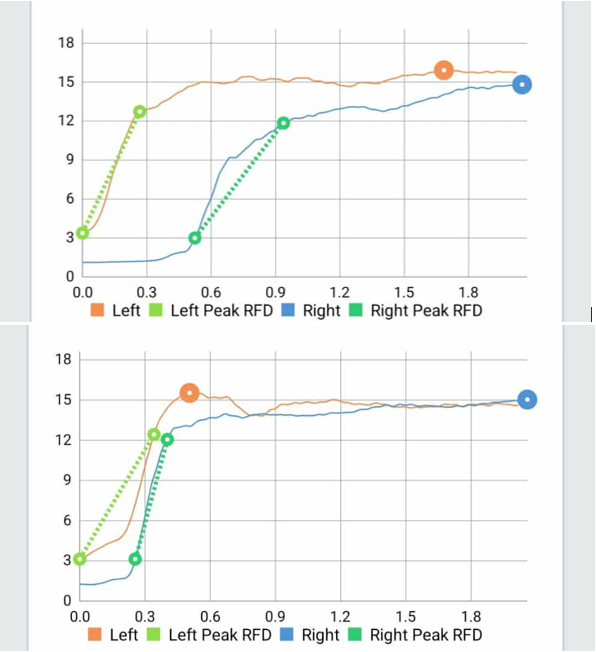
When strength isn’t the problem — but timing is (before -top ; after - bottom)
You can look strong…
and still not be functioning well.
Not because the muscle is weak.
👉 But because the system doesn’t access it properly.
I recently ran a series of measurements on two people using force and contraction data.
At first glance, it looks like a strength test.
It’s not.
👉 It’s a window into how the system organizes movement in real time.
🔹 CASE 1
Initial test:
👉 29.7% asymmetry
👉 clear imbalance
👉 delayed and uneven contraction curves
After working at the level of the system (gating, integration):
👉 14.4% → 9.5% → 7.1% asymmetry (in under 5 min)


But here’s what’s interesting:
👉 strength didn’t just go up
👉 it reorganized
One side even appeared to “lose” force.
Not because it got weaker.
👉 Because compensation dropped.
🔹 CASE 2
Different pattern.
Not a strength issue.
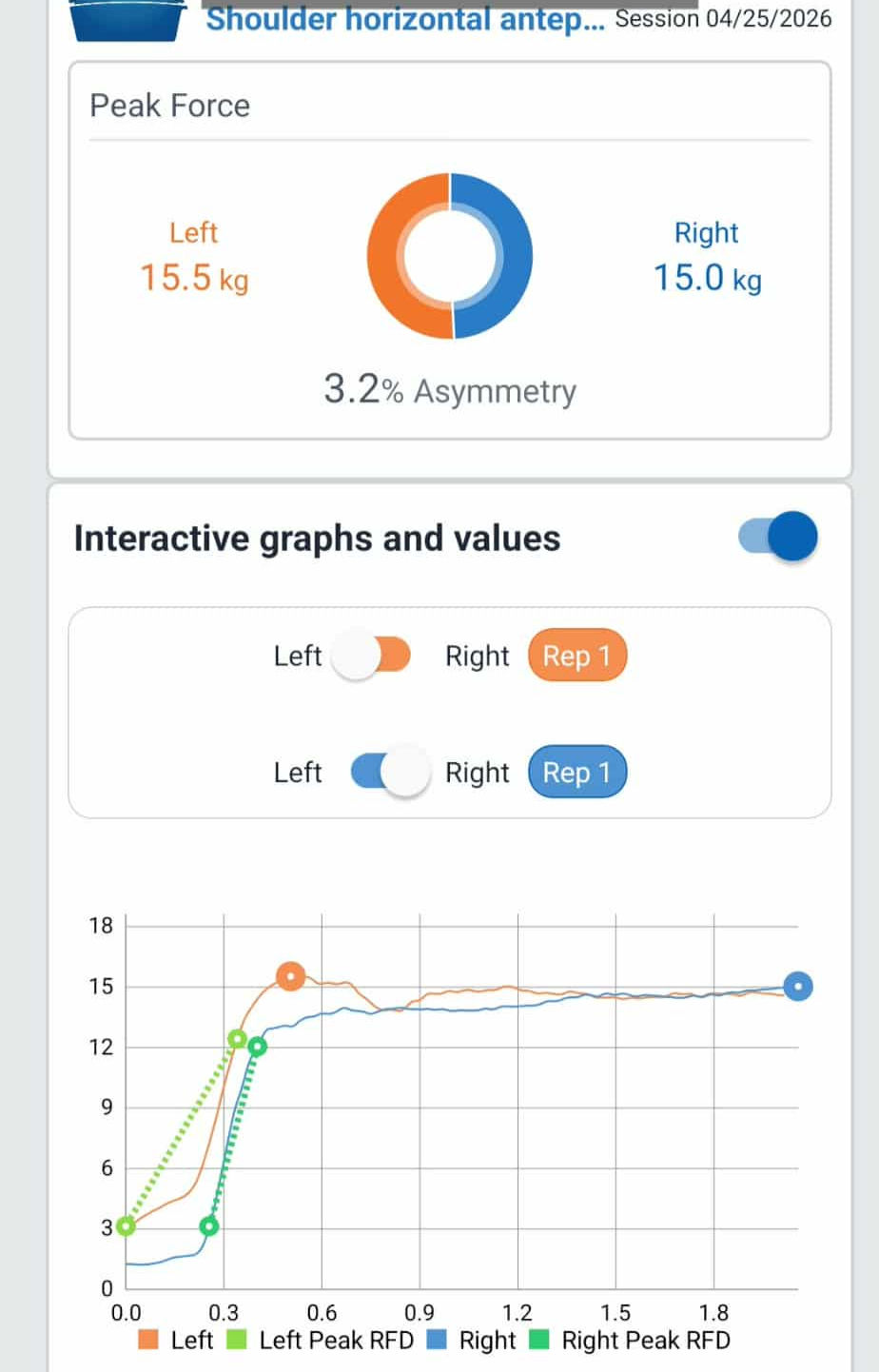
👉 A latency issue.
You could see it clearly:
delayed engagement
slow ramp-up
then a strong output once it finally kicked in


So the problem wasn’t:
👉 how much force
👉 but when and how it was accessed
After working at different levels:
spinal
peripheral (plexus)
sensory integration
👉 latency shortened
👉 slope increased
👉 symmetry improved
🔹 WHAT THIS SHOWS
👉 A muscle can be strong
👉 but poorly accessed
👉 A system can compensate
👉 and look functional
👉 Until you look at timing
🔹 LATENCY CHANGES EVERYTHING
When the system doesn’t fully trust what it’s receiving:
👉 it delays
👉 it ramps slowly
👉 it protects
So you get:
slower reactions
inefficient movement
unnecessary compensation
👉 It’s not a strength problem
👉 It’s an access problem
🔹 REMOVING INTERFERENCE
Another interesting finding:
👉 removing certain external elements (jewelry or cellphone from pocket) changed the output immediately
asymmetry dropped
contraction changed
timing improved
👉 Nothing was “treated”
👉 nothing was strengthened
👉 The system simply reorganized differently
Each step didn’t add strength — it removed interference.
🔹 THE REAL SHIFT
Across both cases:
👉 strength improved
👉 symmetry improved
👉 timing improved
But not by training.
👉 By changing how the system organizes itself
🔹 WHAT TO TAKE FROM THIS
If something doesn’t feel right:
unstable
delayed
inconsistent
effortful
👉 It’s not always because you lack strength
👉 It may be because your system isn’t accessing it at the right time
And when that changes:
👉 everything else follows
🔹 FINAL
👉 Strength is rarely the limit.
👉 Organization is.
And sometimes…
what changes everything
isn’t adding more.
👉 It’s removing interference.
You’re not always trying to build something new.
👉 Sometimes, you’re just removing what’s getting in the way.
To do so, follow the link for an appointment
Or look up my site for more info



Comments